Concerns over gaps in cancer detection and emergency health services have been raised with legislators questioning why the country has limited screening facilities and unfulfilled promises of ambulances despite the growing burden of the disease.
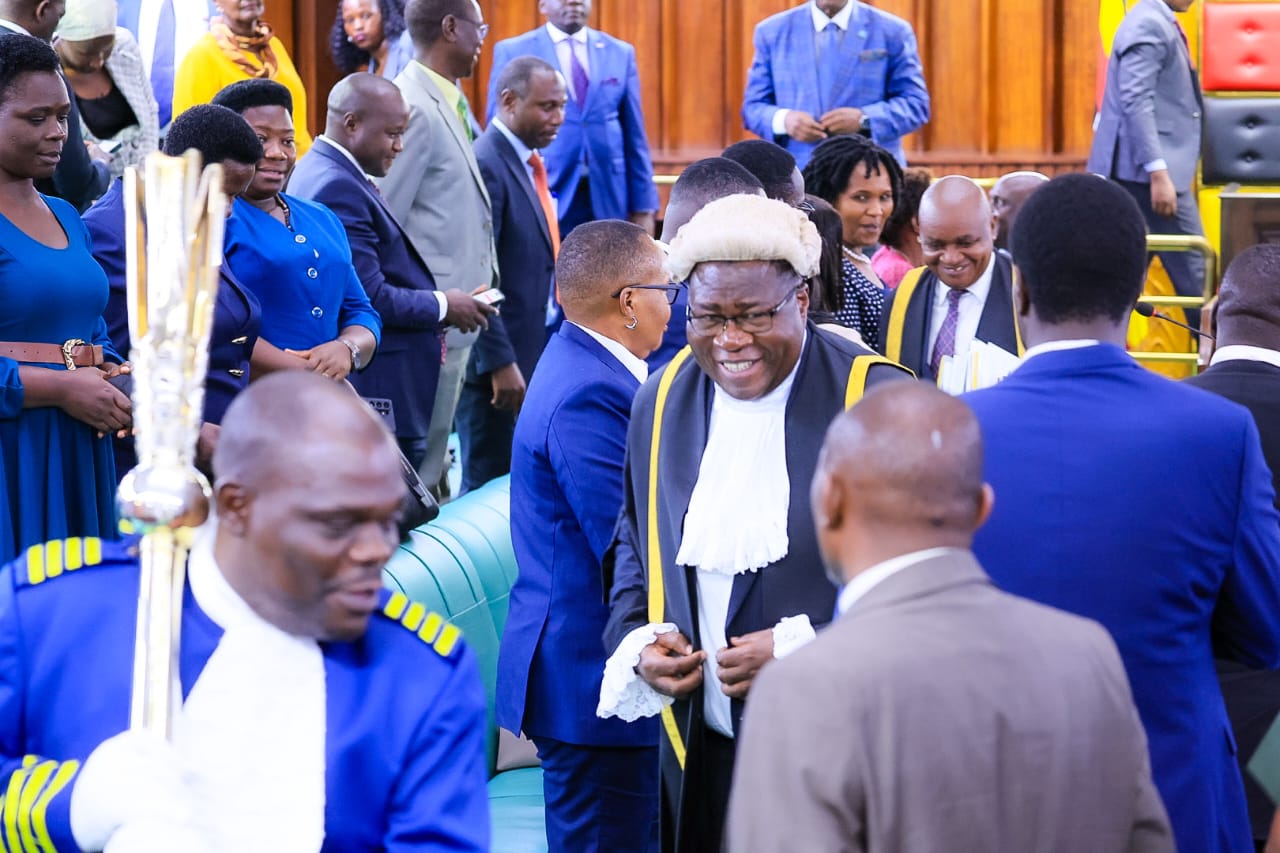
The concerns were raised during the plenary sitting on Thursday, 27 August 2026 following a communication by Speaker Jacob Marksons Oboth on Parliament's support towards the fight against cancer and the upcoming Rotary Cancer Run.
Earlier in the day, Oboth announced that Parliament had made a deposit of Shs3 billion to support the construction and equipping of the Cancer Centre at Nsambya Hospital.
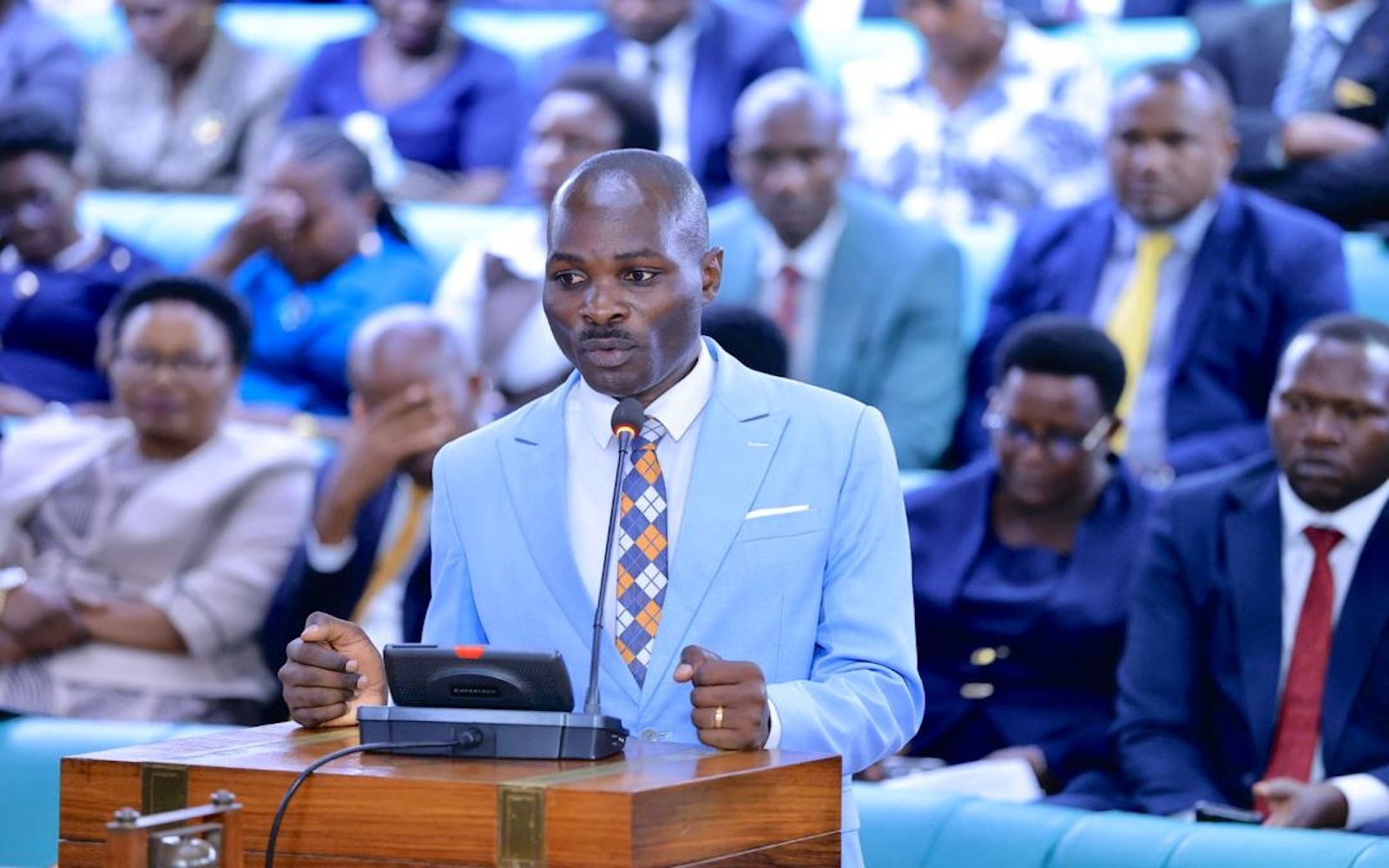
Maruzi North County MP, Hon. Benard Otim called on government to invest in mobile cancer screening services, saying access to early diagnosis remains a major challenge.
He said the Uganda Cancer Institute has only one screening van and called for funding to enable more people across the country to access cancer screening services.
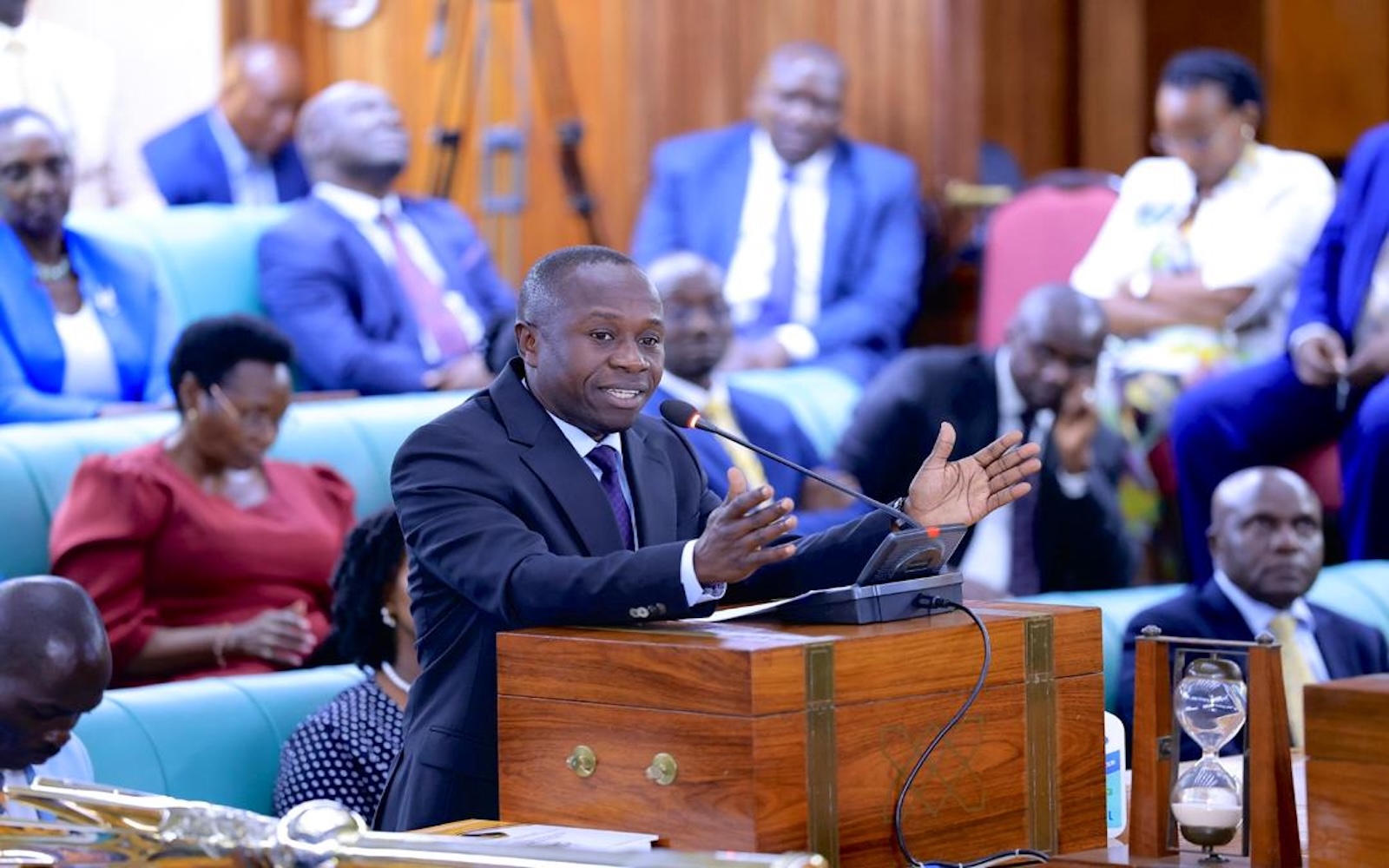
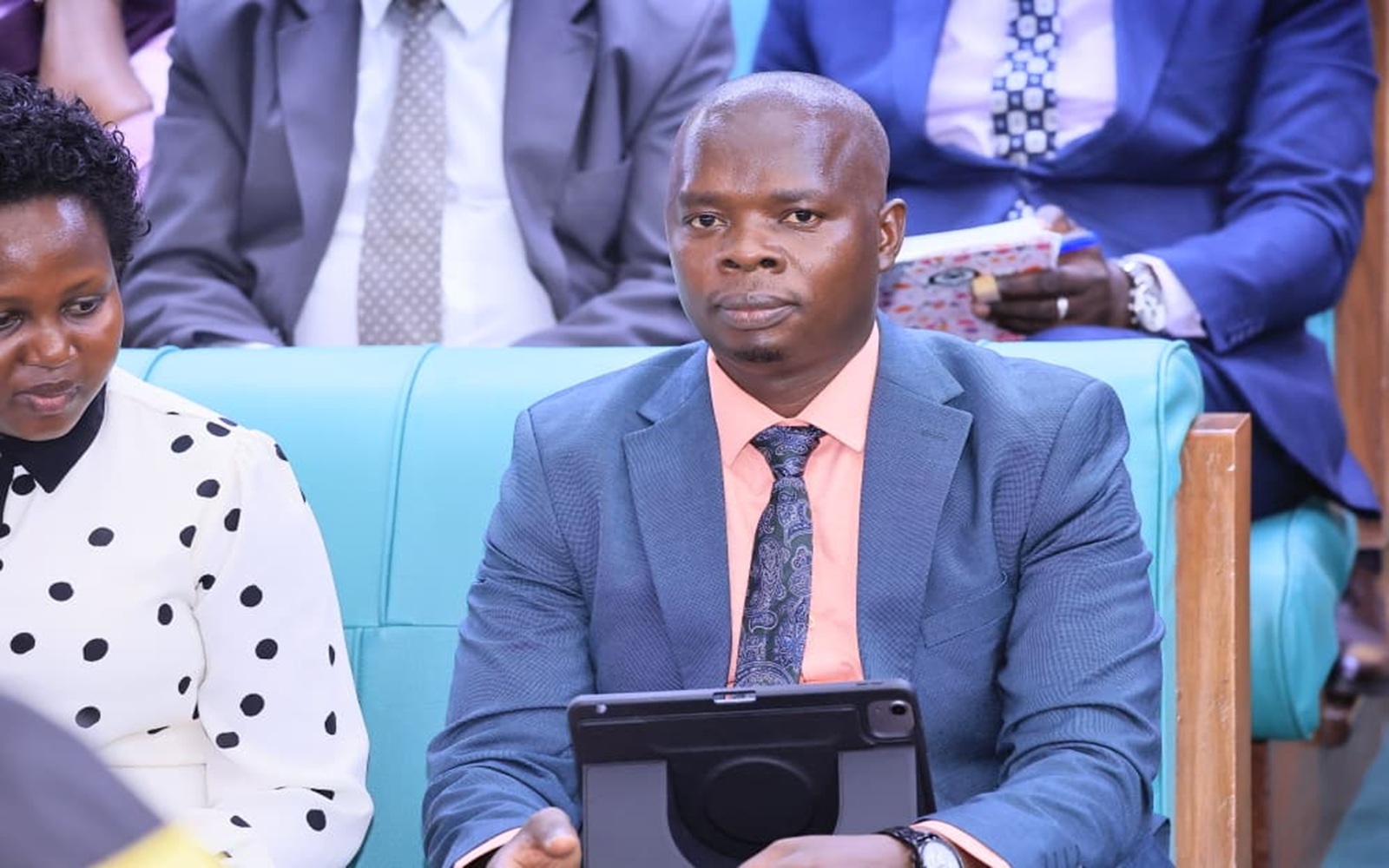
The debate also turned to the shortage of ambulances, with Buzaaya County MP, Hon. Martin Muzaale demanding an explanation from the Ministry of Health over the government's earlier promise to provide ambulances to constituencies.
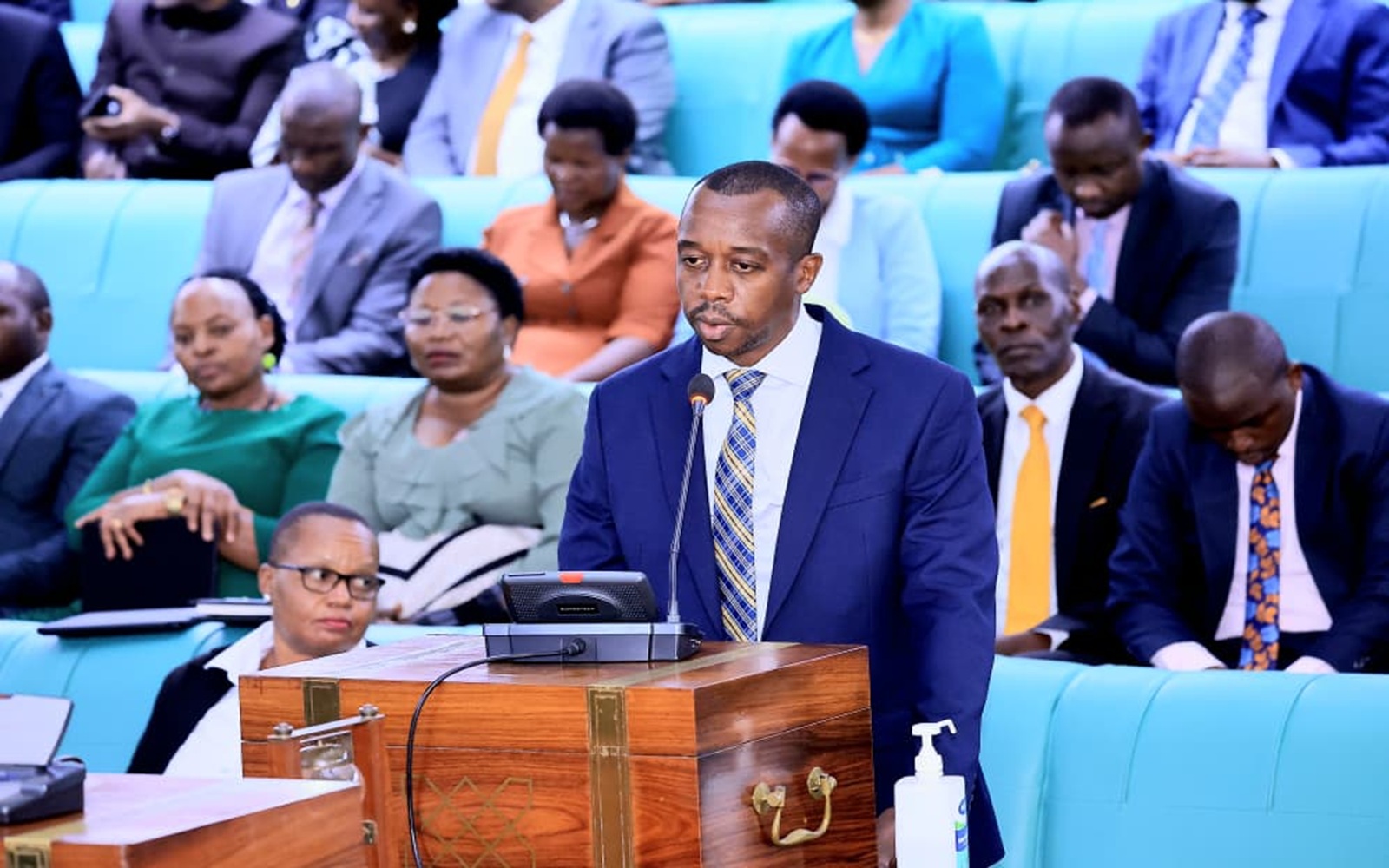
The Minister of State for Health (Primary Health Care), Hon. Charles Ayume said the government had planned to decentralise ambulance services and purchase ambulances every financial year.
However, he said the programme stalled after Shs750 billion was dis-appropriated affecting the planned interventions.
Ayume revealed that, government nevertheless allocated Shs20 billion in the previous financial year for the purchase of 54 ambulances.
On cancer, the minister acknowledged the enormous pressure the disease places on Uganda's health system saying treatment requires substantial investment in specialised equipment, trained personnel and infrastructure.
“Cancer is an intense sector in terms of the machines, training and infrastructure,” Ayume said.
He said the government increased investment in cancer care compared to 20 years ago and had begun decentralising treatment services to improve access outside Kampala.
Ayume said prevention will also be critical in reducing the country's cancer burden pointing to the ministry's policy of vaccinating 10-year-old girls against the Human Papillomavirus to prevent cervical cancer.
The minister also warned that lifestyle, diet and environmental exposure may contribute to cancer.
Speaker Oboth said the scale of cancer deaths in the country requires a stronger collective response from Parliament, the Ministry of Health and the public.
With about 18,000 people dying from cancer annually, Oboth said MPs have a responsibility to use their positions to increase awareness about prevention, screening and early treatment.
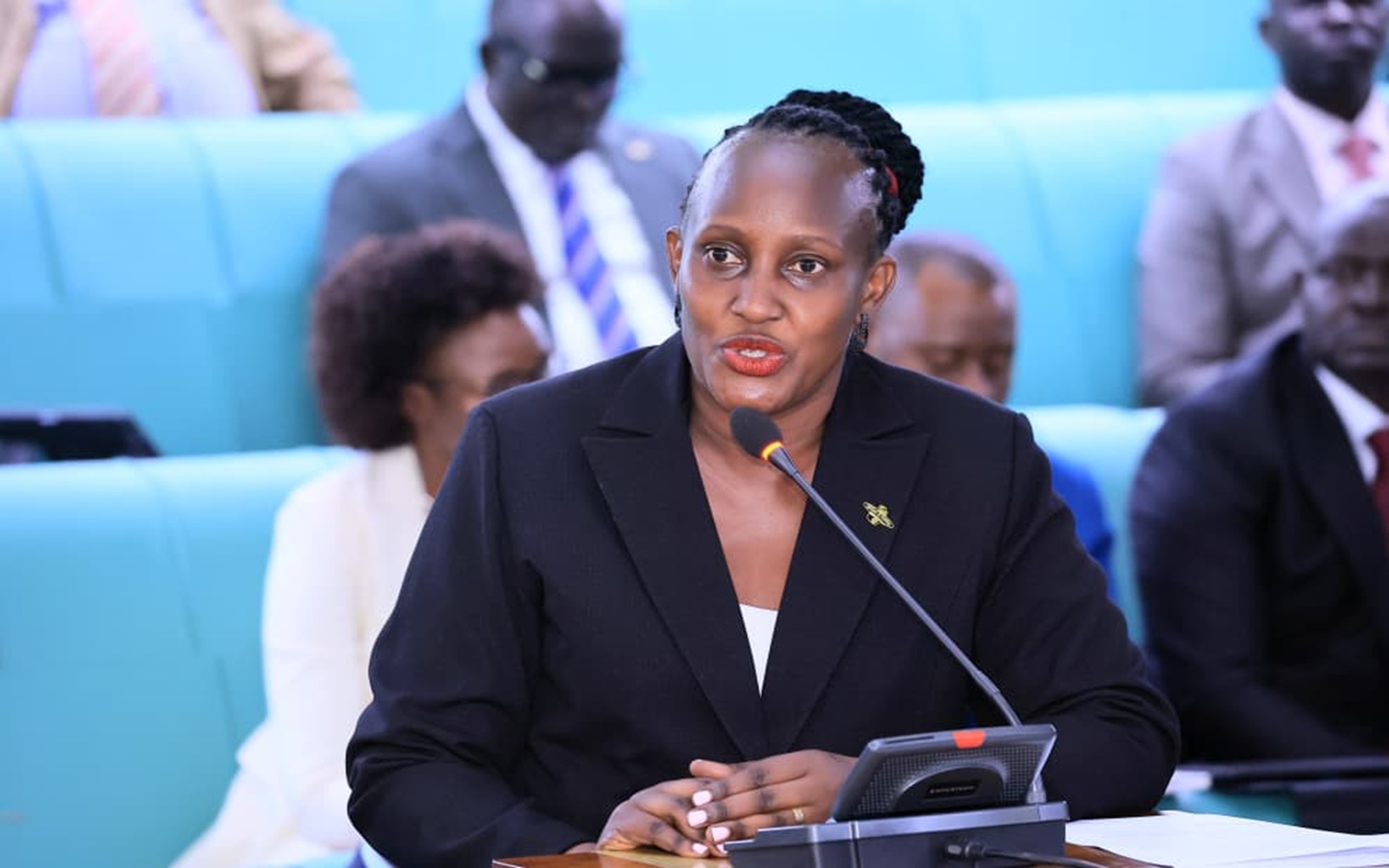
Wakiso District Woman Representative, Hon. Ethel Naluyima called on MPs to become advocates in the fight against cancer saying awareness and collective action are necessary to reduce the disease burden.