The Prime Minister, Rt Hon. Robinah Nabbanja has revealed that conflicting lists of beneficiaries have delayed the compensation of traders whose businesses were destroyed following the flooding of the Nakivubo channels.
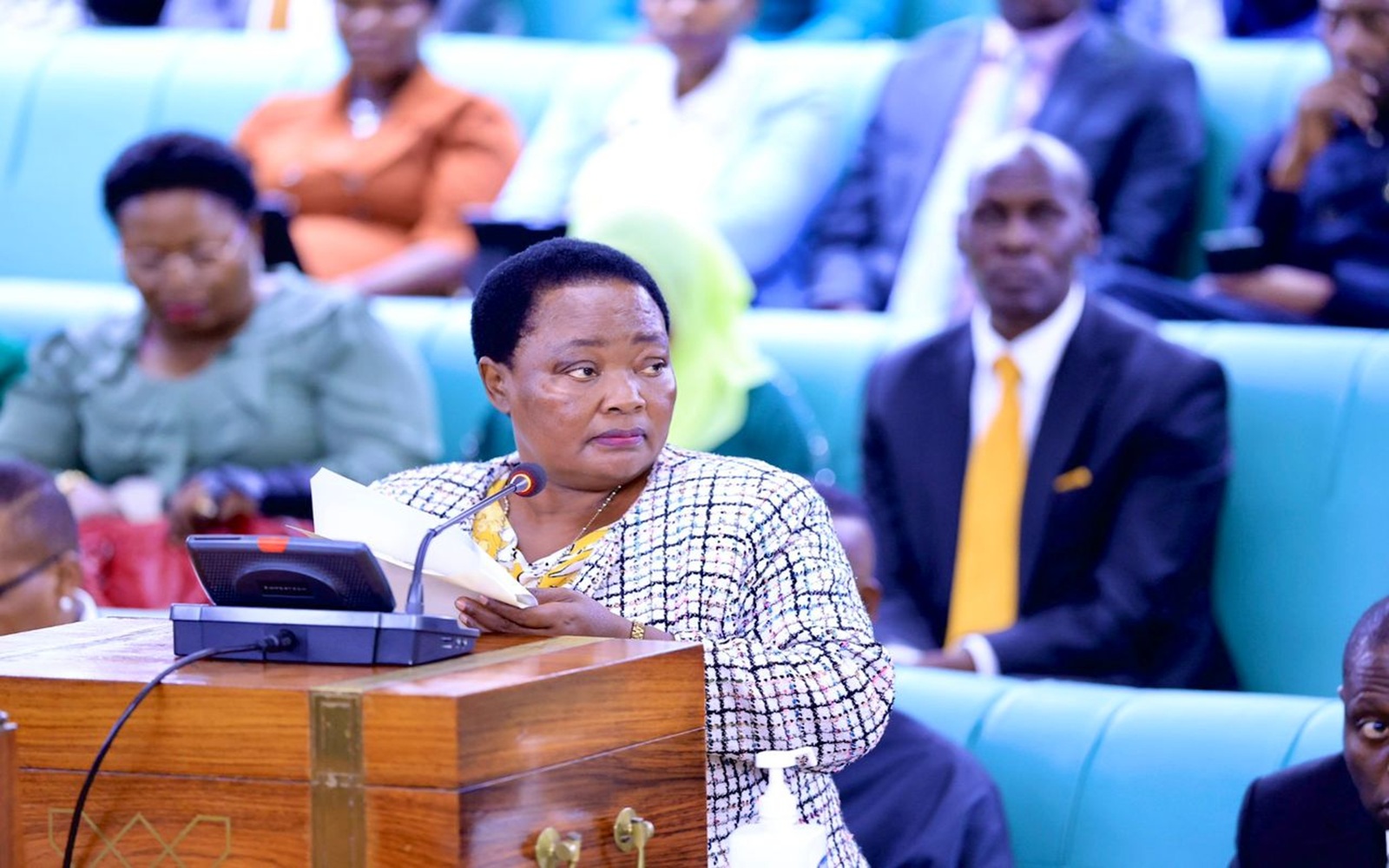
Speaking during the Prime Minister’s time on Thursday, 27 August 2026, Nabbanja said her office convened several meetings with traders and other stakeholders to establish credible lists of beneficiaries. “We constituted a team comprising of Uganda Revenue Authority [URA], Kampala Capital City Authority [KCCA] and Kampala City Traders Association [KACITA]. This team agreed to come up with the list of beneficiaries, but each had their own list,” said Nabbanja.
She said URA submitted a list of 360 beneficiaries with KCCA and KACITA presenting 460 and 480 traders respectively.
According to the Prime Minister, the failure to harmonise these lists prevented government from releasing the compensation before the end of the 2025/2026 financial year.
“We wanted to start paying them in May but the traders petitioned the President again. As a result, the financial year in which they were to be paid ended and money was not sent to the Office of the Prime Minister because it lacked a list of beneficiaries,” Nabbanja said.
She told the House that the verification undertaken by the Internal Security Organisation (ISO) had identified 737 beneficiaries and that the compensation process now awaits guidance from President Yoweri Museveni following the traders’ petition.
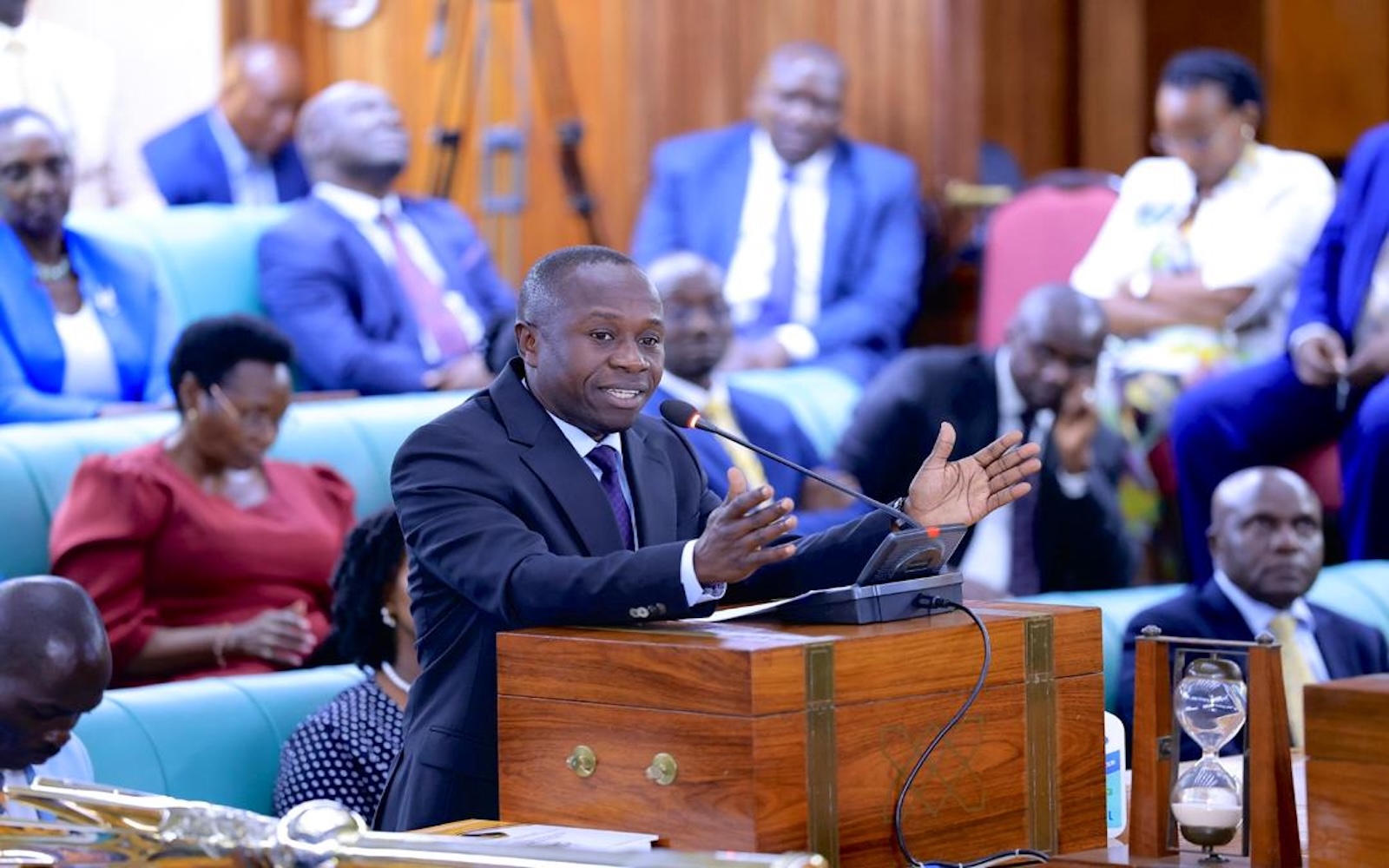
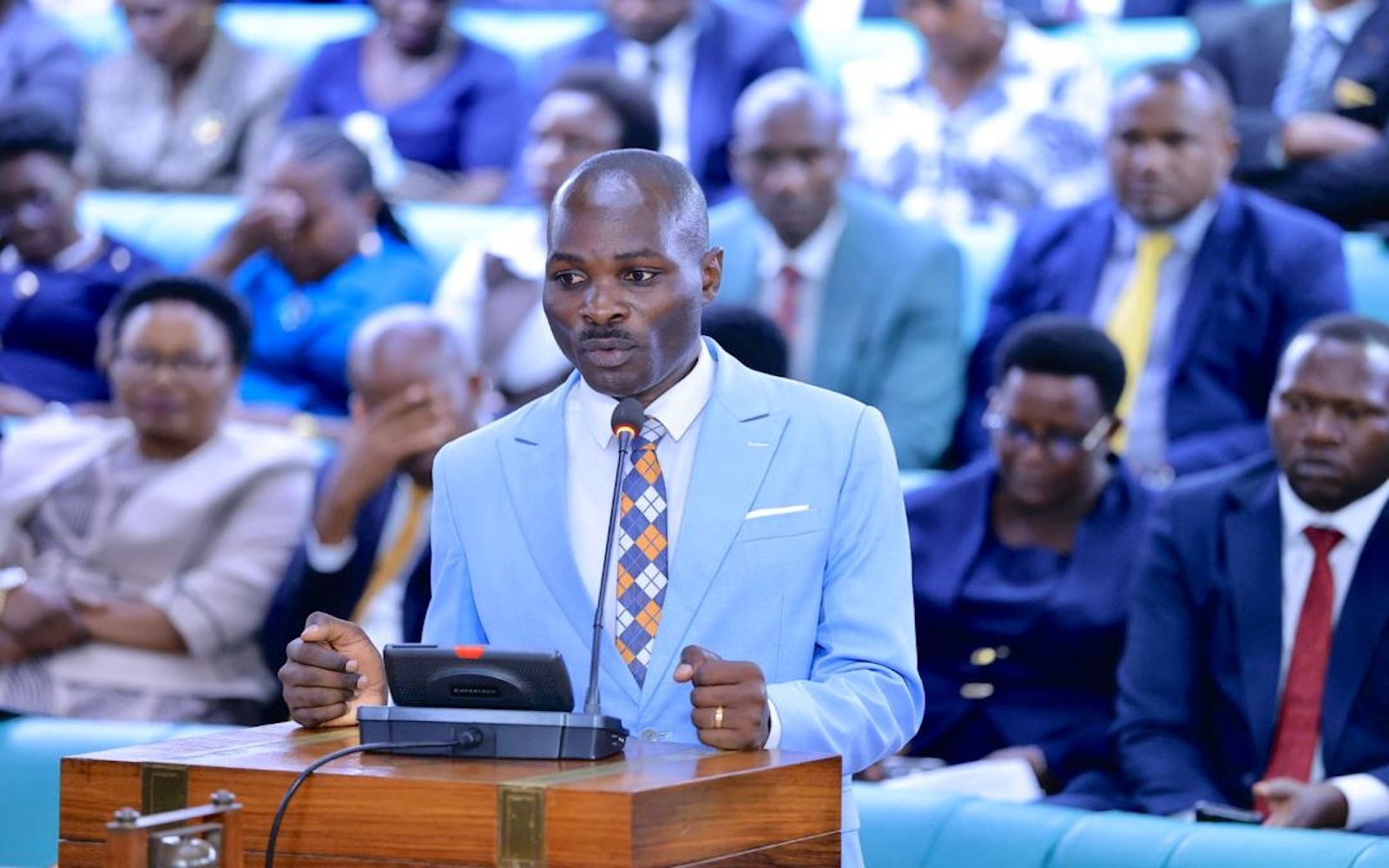
Budadiri County East MP, Hon. Julius Nakiyi had who expressed concerns about the prolonged delay in compensating the affected traders.
Nakiyi said traders who had approached him wanted clarification on the whereabouts of the compensation package of Shs20 billion pledged by the President and when it would be released.
The compensation relates to losses suffered during the severe flooding of October 2025 when water from the Nakivubo drainage channel flooded arcades and commercial buildings in downtown Kampala.
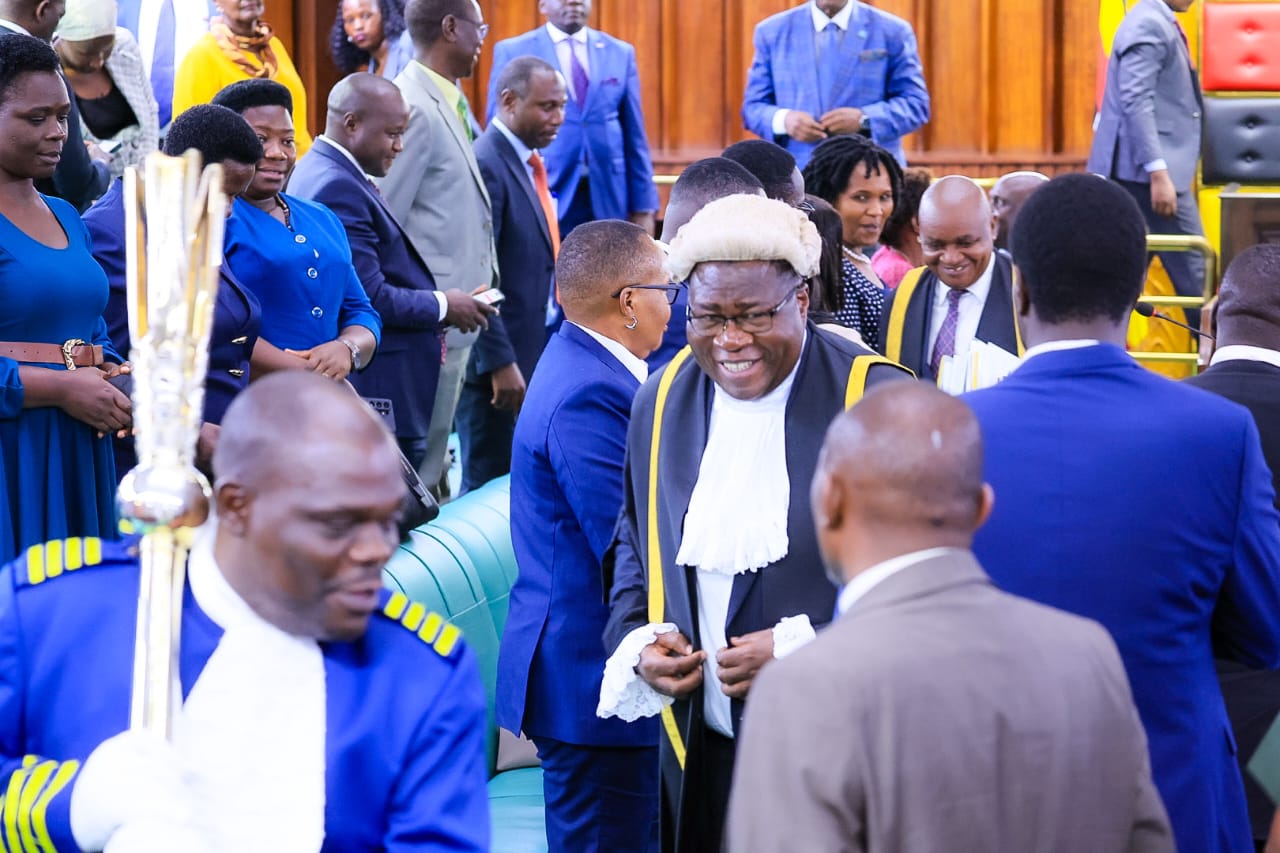
Speaker Jacob Marksons Oboth expressed concern that compensation exercises were repeatedly undermined by inflated or manipulated beneficiary lists.